TL;DR Asset values in CoinTracking are calculated automatically as amount × price at timestamp. If you want to override this (e.g., due to a spread being too high), you must edit each transaction individually on the Transactions page. Bulk importing asset values is not supported. For NFTs bought with crypto, entering the purchase as a Trade (not Minting) automatically sets the correct cost basis/asset value, without any manual fiat entry required.
What is the difference between asset value and cost basis?
Asset Value: Reflects the value of the transaction at that specific point in time only.
Cost Basis: Aggregates across all previous purchases and sales to calculate gains and losses.
How to edit the asset value manually
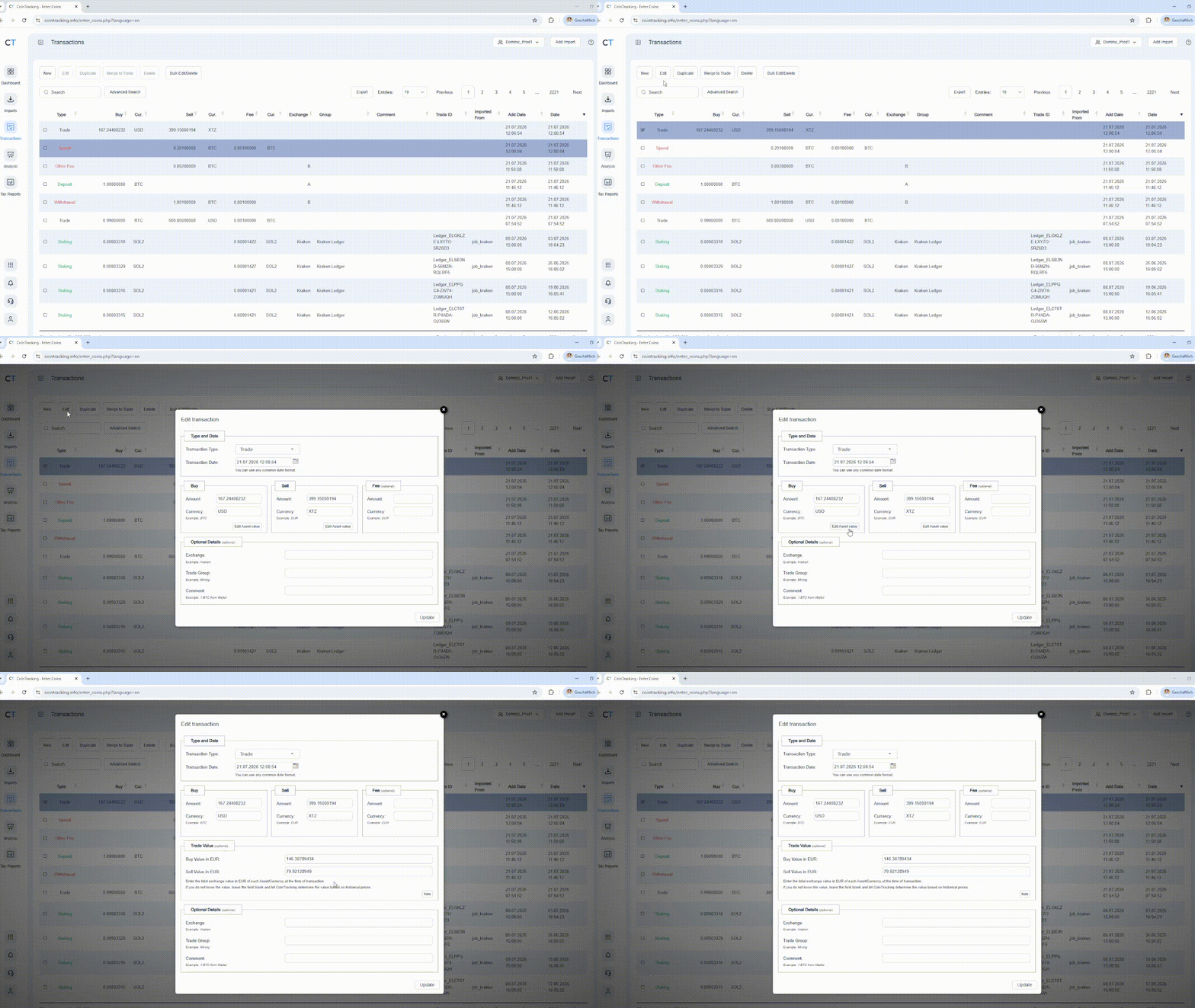
Go to the Transactions page.
Select the transaction you want to change.
Click Edit.
Select Edit Asset Value.
Adjust the Purchase Value and/or Sale Value as required.
How do I record an NFT purchased with crypto (instead of manually setting its asset value)?
If you acquired an NFT by paying with another crypto asset (e.g., ETH), record it as a Trade, not as Minting.
Entering a Buy trade (NFT received, crypto spent) automatically sets the cost basis and asset value of the NFT based on the amount of crypto spent.
This avoids the need to manually look up and enter a fiat value (e.g., GBP) for the NFT. CoinTracking derives it directly from the crypto side of the trade.
Use the Minting transaction type only when the NFT was minted directly (not purchased with an existing crypto asset).
Important notes
Asset values are refreshed automatically once per hour, which may cause slight spreads in crypto-to-crypto trades.
You can reset all asset values in your account to re-calculate with precise to-the-minute pricing, but this will erase all manual adjustments.
If your balances or graphs look incorrect after edits, recalculating your account balances can help. See the dedicated guide on fixing unrealistic balances or graphs for step-by-step instructions.
Asset values cannot be imported in bulk via CSV or the Custom Importer. Every adjustment must be done manually.
Always create a backup before modifying data to prevent data loss